
Sekolah Alam Lubuk Pusako: Preserving Tradition in Muaro Jambi
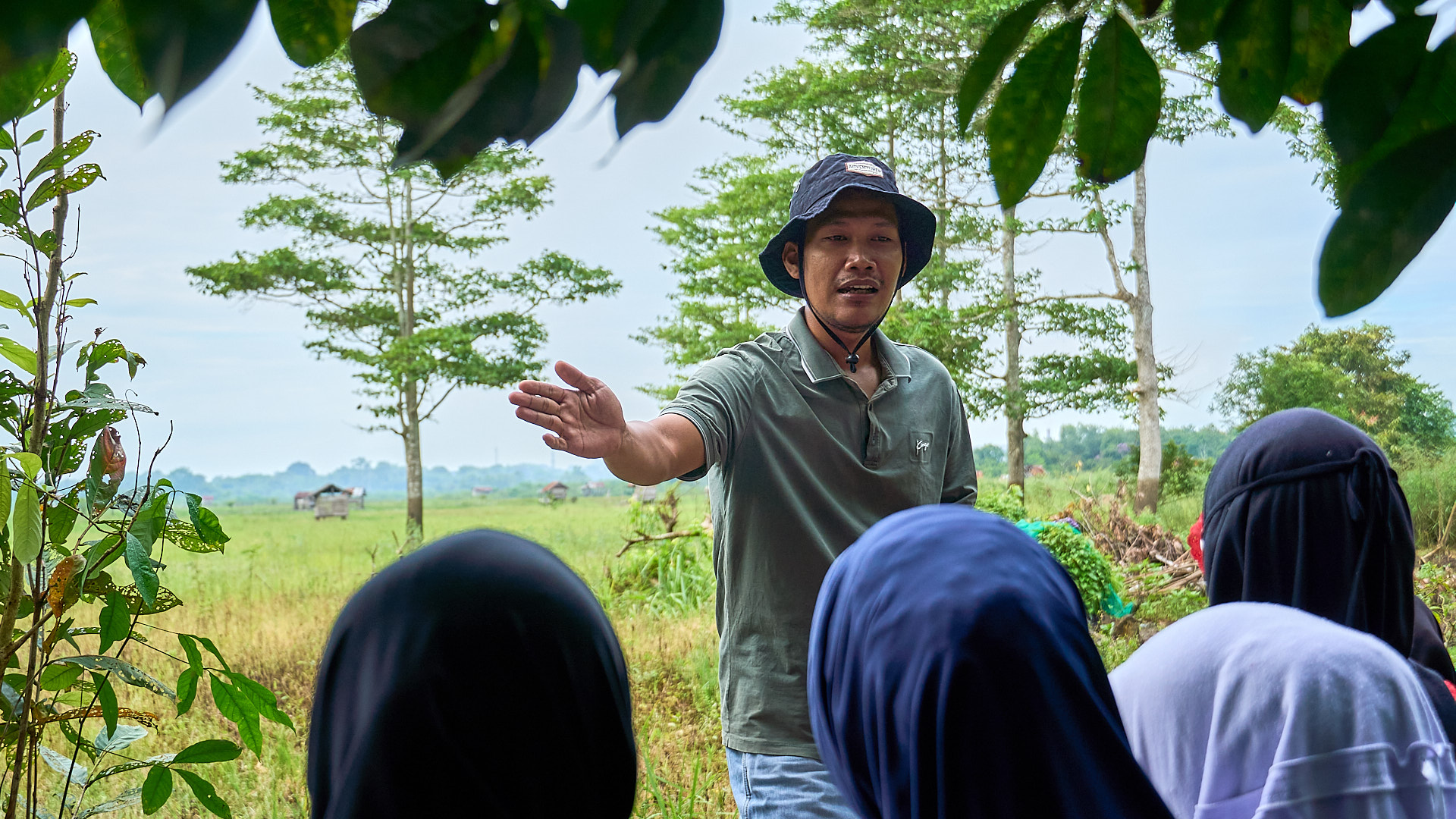
In Tebat Patah Village, students of Sekolah Alam Lubuk Pusako practice traditional farming to preserve the heritage and habits of their ancestors. Through these daily lessons, they keep their cultural identity strong despite the rapid industrial development reshaping their home.
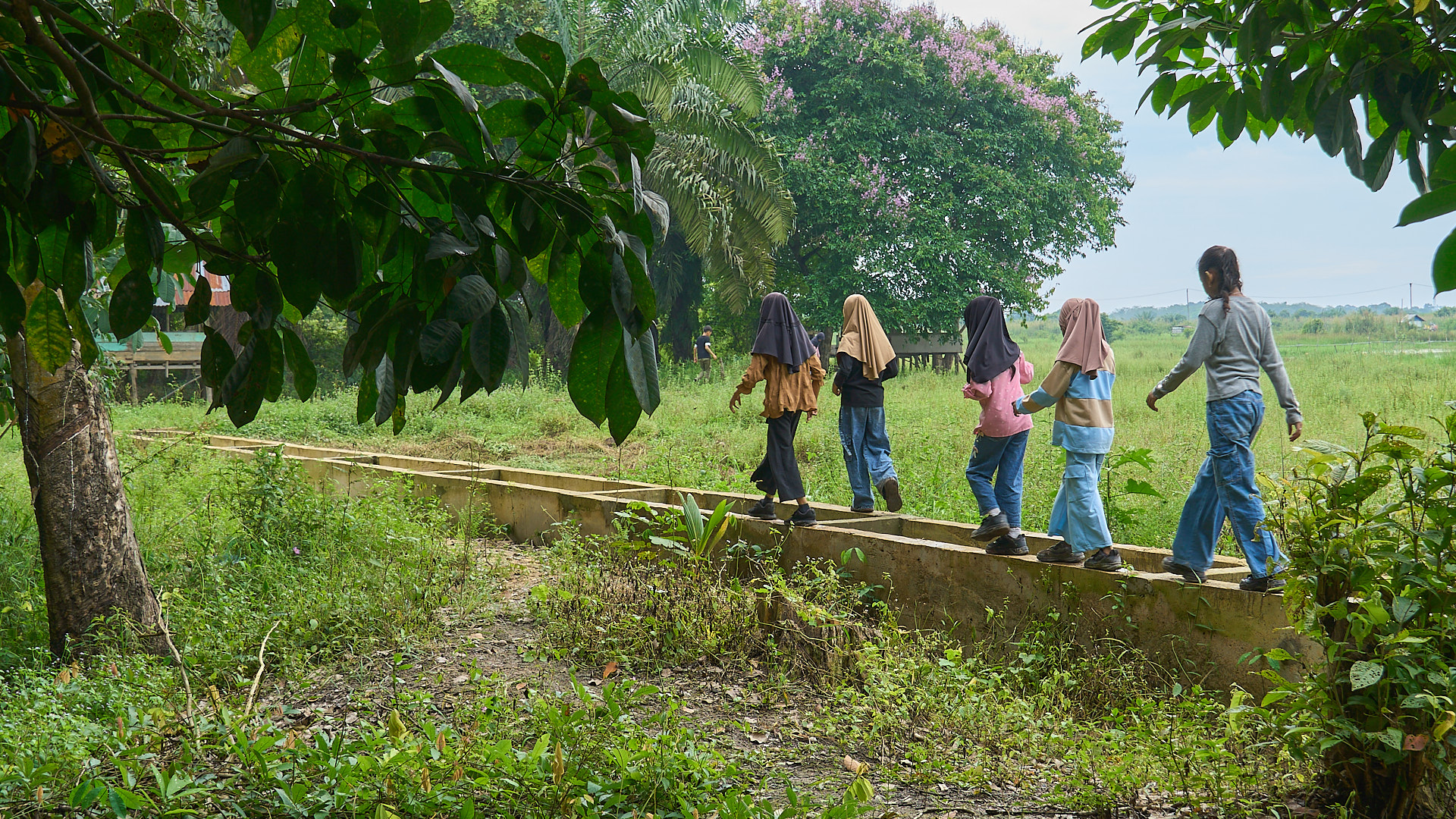
By touching soil, sowing seeds, and listening to stories from local farmers, children slowly begin to understand where food comes from and how closely human life is tied to the land.
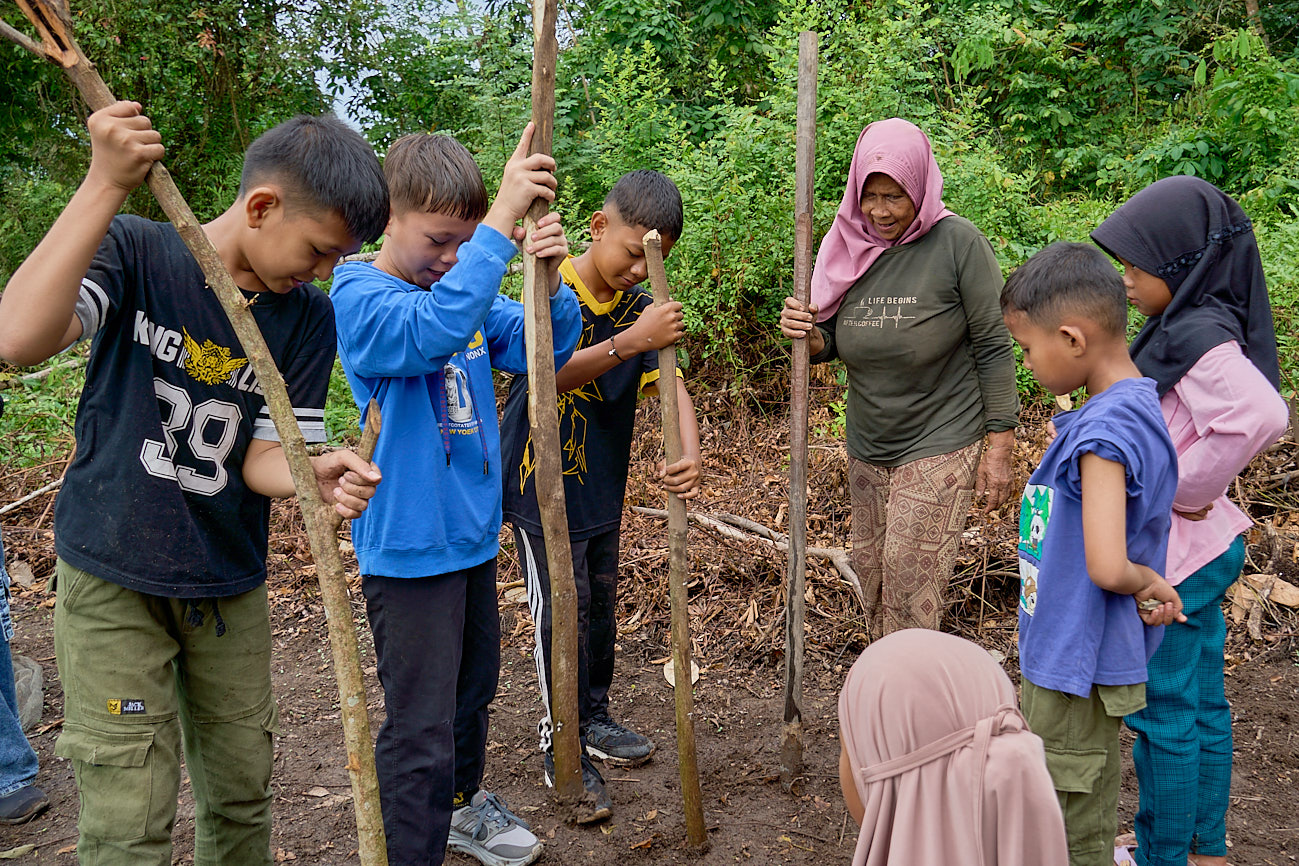
Environmental Learning and Traditional Farming at Sekolah Alam Lubuk Pusako
But the landscape around Tebat Patah is slowly changing. Not far from the fields where children learn to plant rice, industrial areas continue to grow. Smoke rising in the distance stands in contrast to the green farmland that has long shaped the lives of local communities.
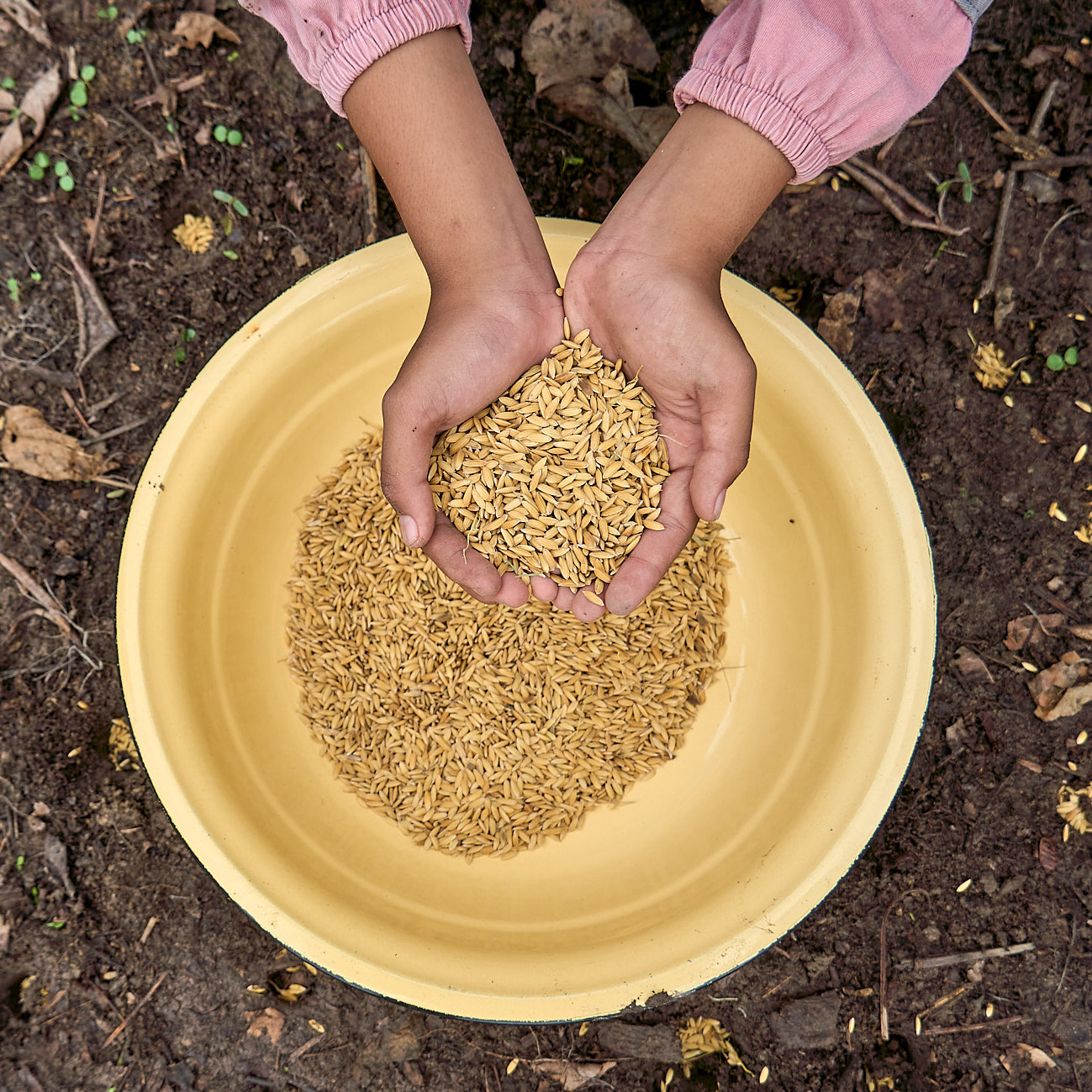
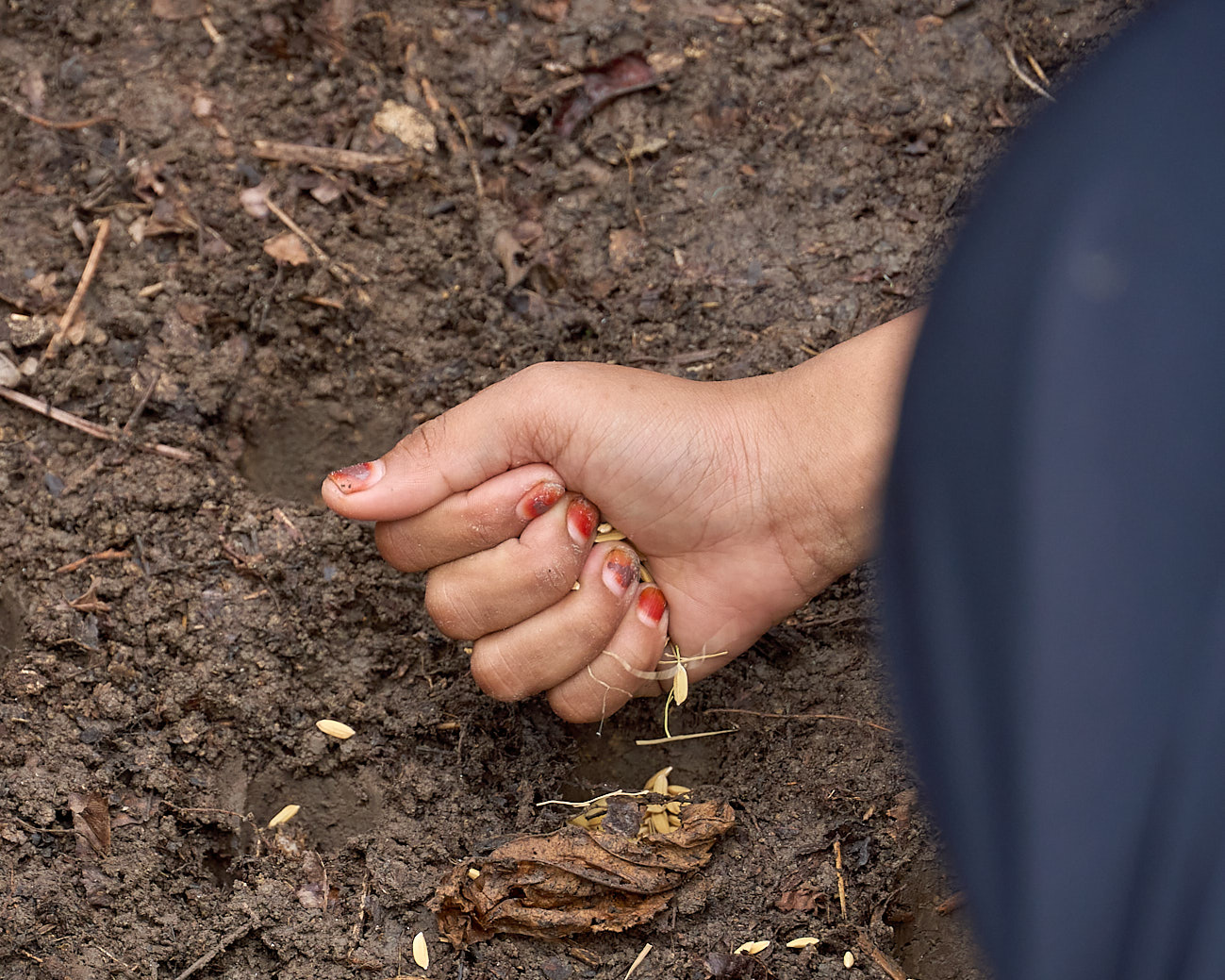
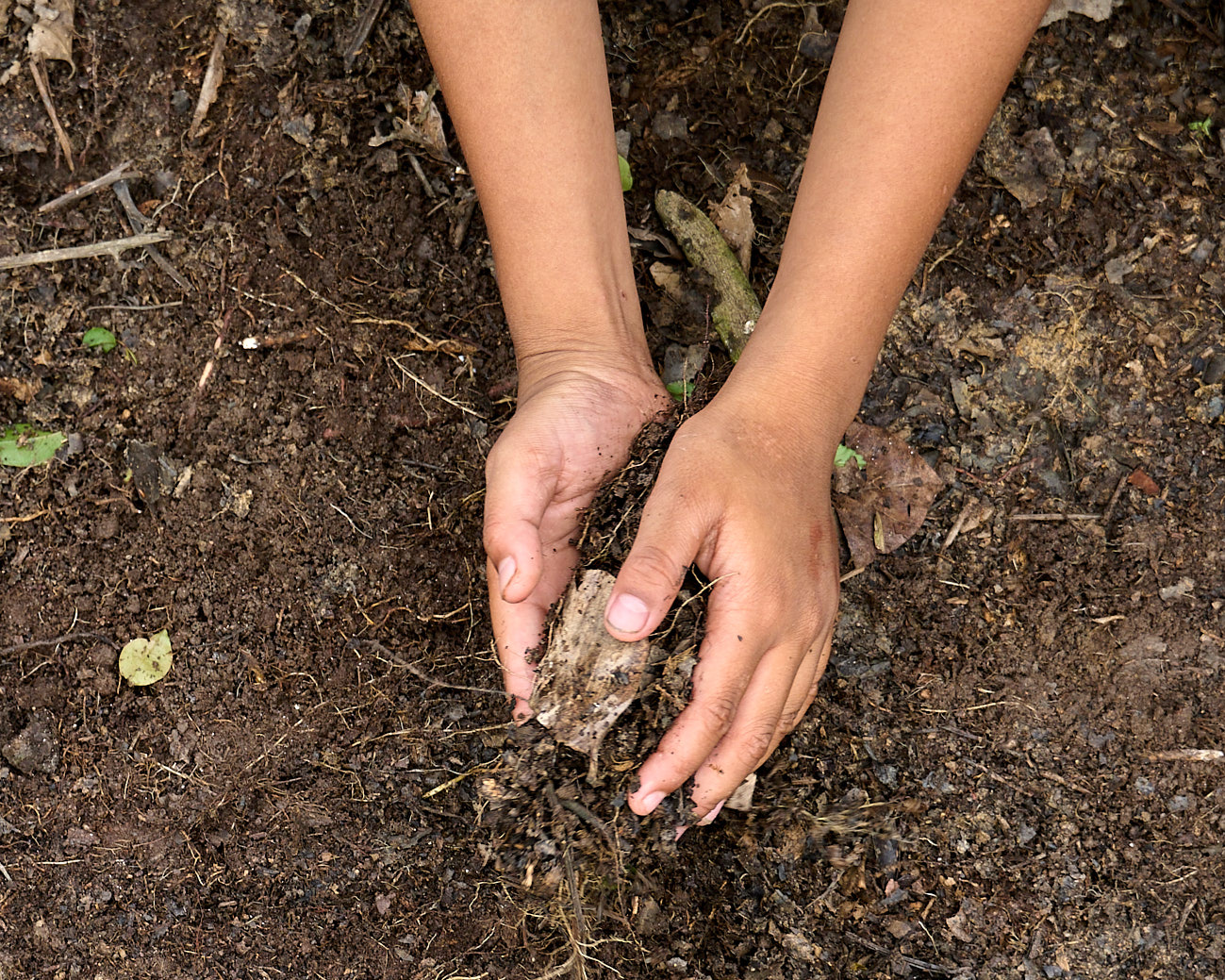
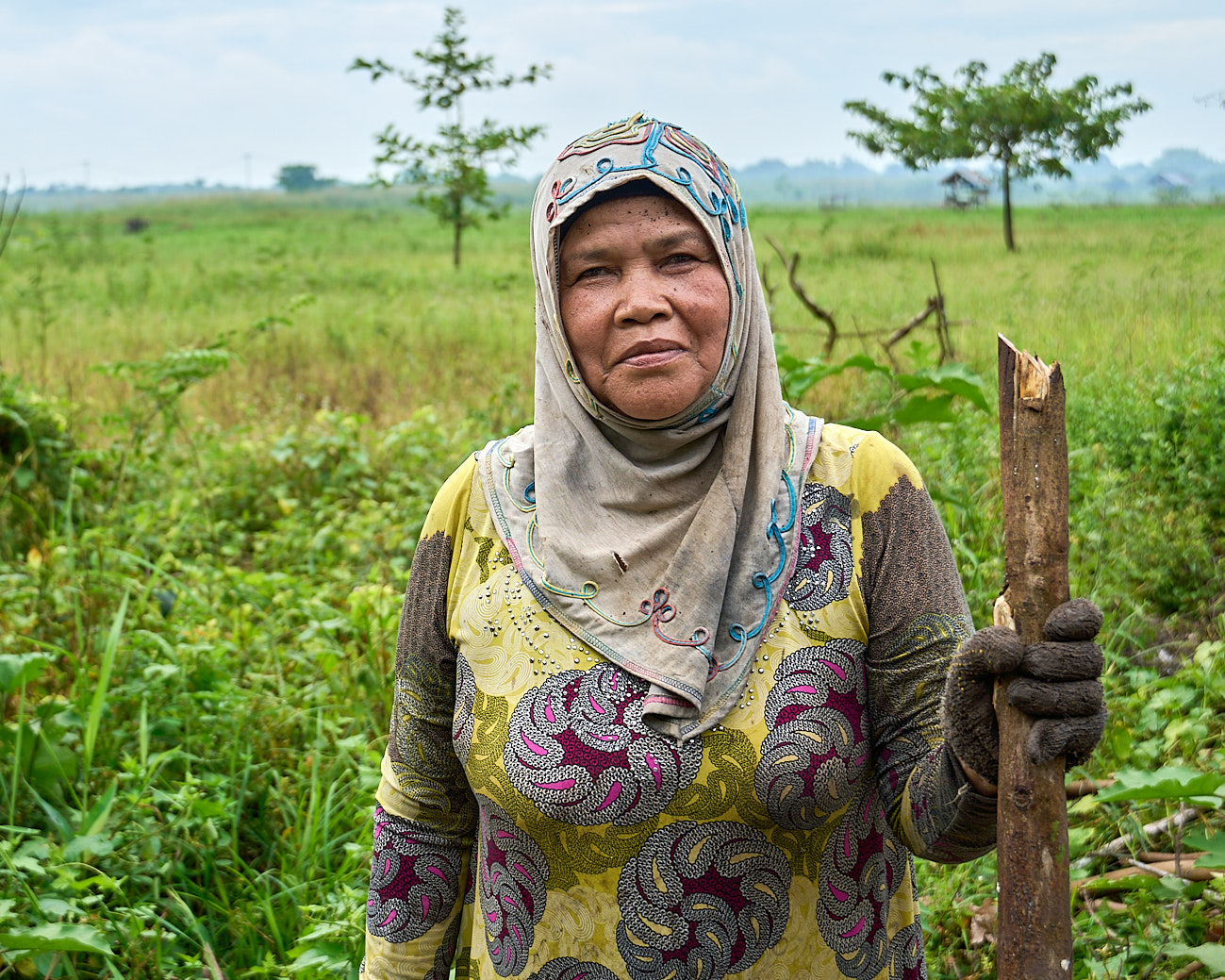
Amid this transformation, Ajas and the villagers have become both pioneers and protectors. Through small collective efforts, they try to ensure that the next generation does not grow up disconnected from nature. For them, teaching children about farming is not only about agriculture, but also about memory, identity, and belonging.

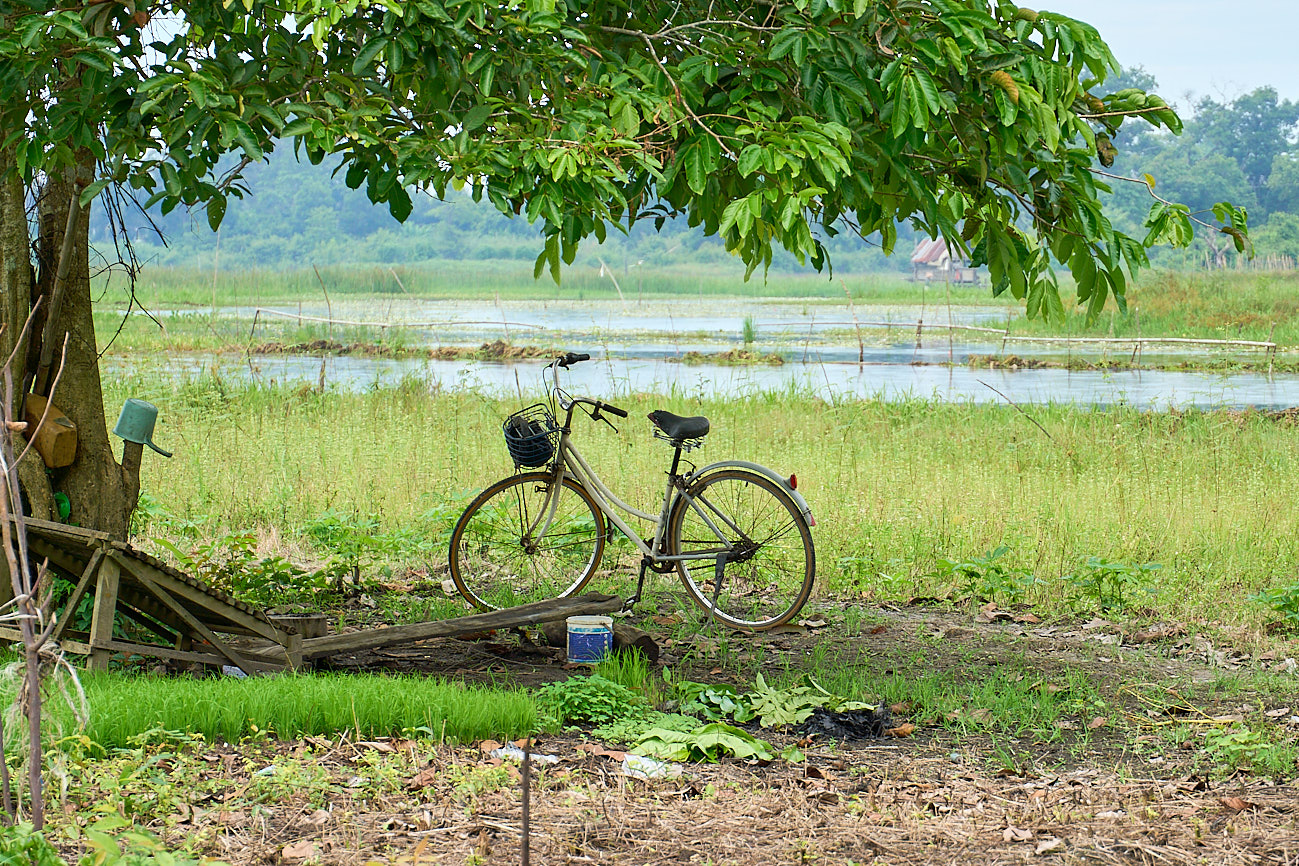
Preserving Farming Traditions for the Next Generation
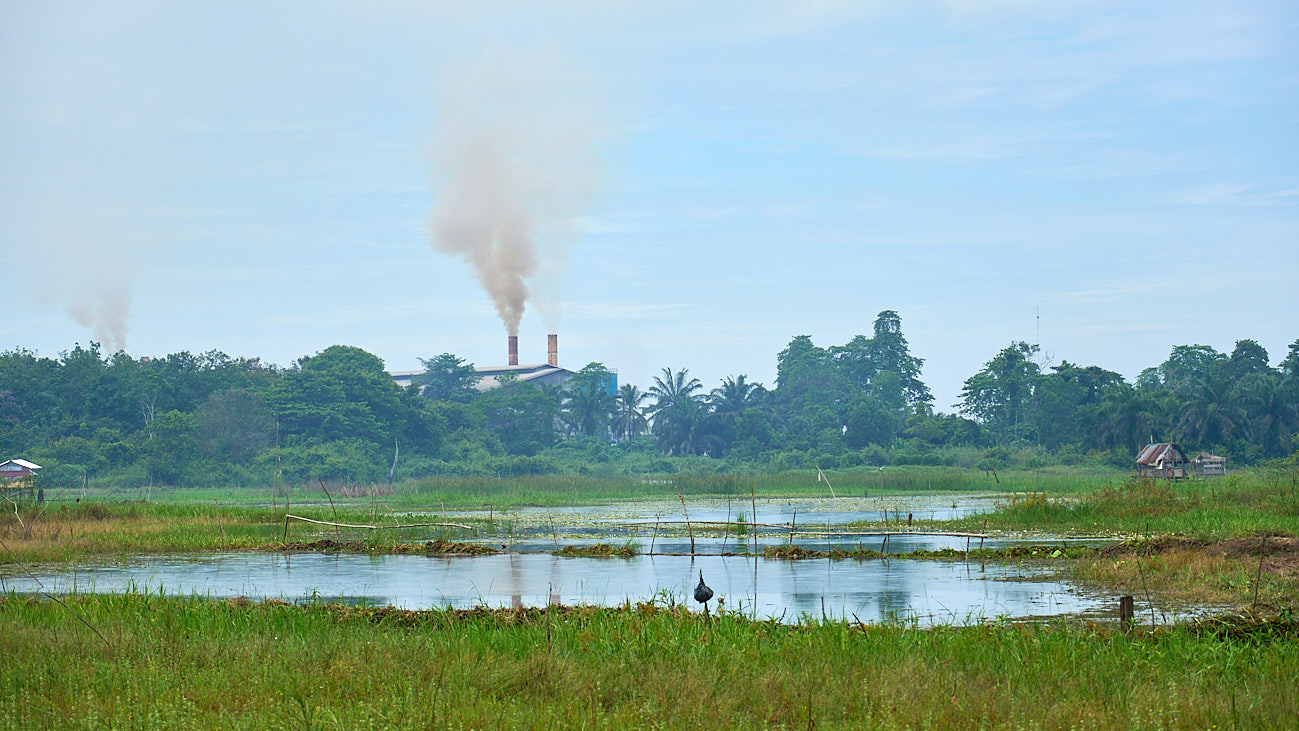
In a rapidly industrializing environment, Sekolah Alam Lubuk Pusako becomes more than just an outdoor classroom. It is a way of preserving local knowledge and keeping alive a relationship between children and the land beneath their feet — before that connection slowly disappears.
This photo essay documents environmental learning, rural life, and farming traditions at Sekolah Alam Lubuk Pusako in Tebat Patah Village, Muaro Jambi, Jambi Province, Indonesia.