
Living Along the Batanghari River
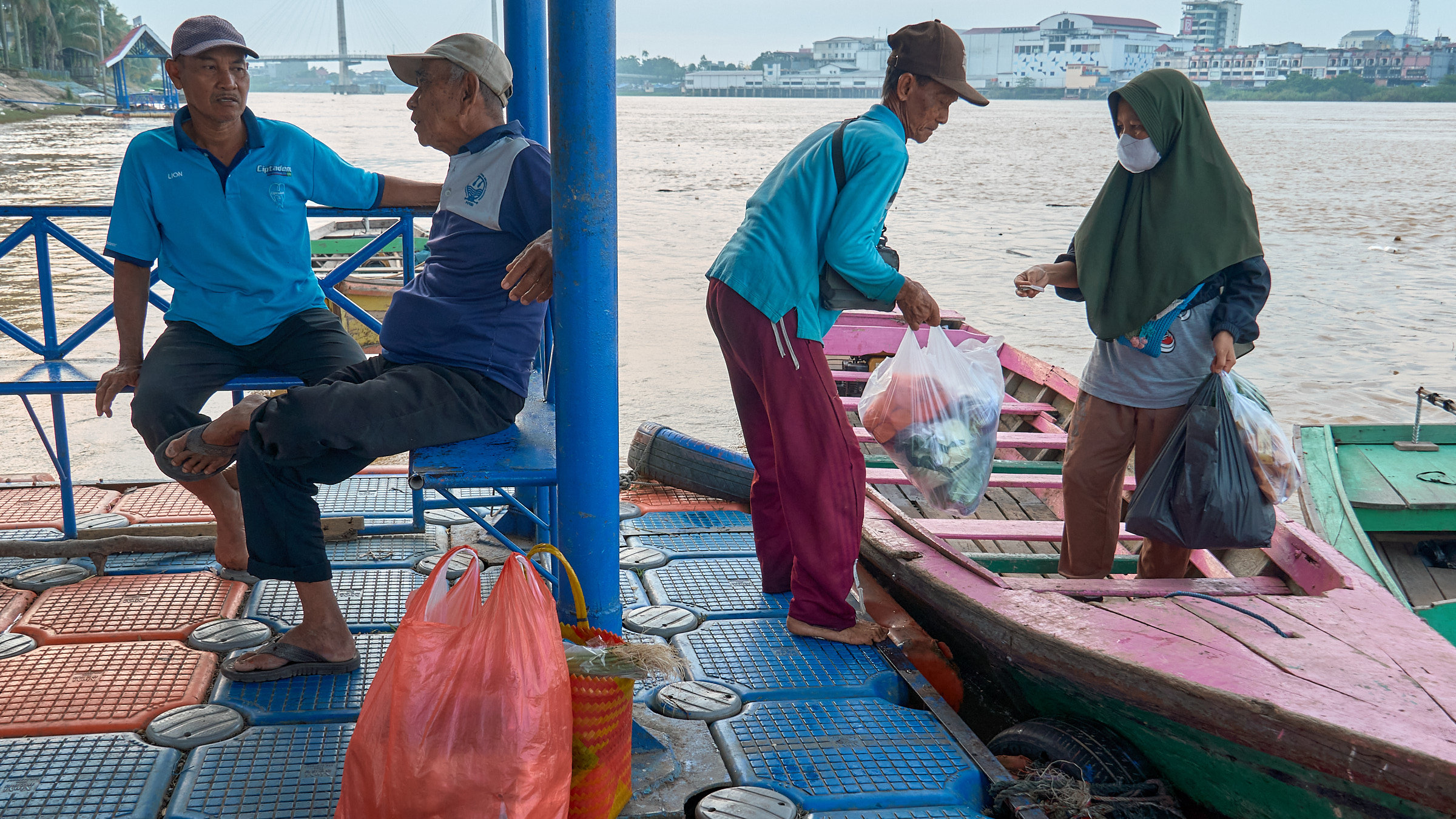
For many people living along the Batanghari River in Jambi City, the river is more than a body of water dividing the urban landscape. For generations, it has remained an essential part of daily life, connecting communities, supporting economic activities, and shaping the movement of people who continue to rely on river transportation.
The River as a Lifeline
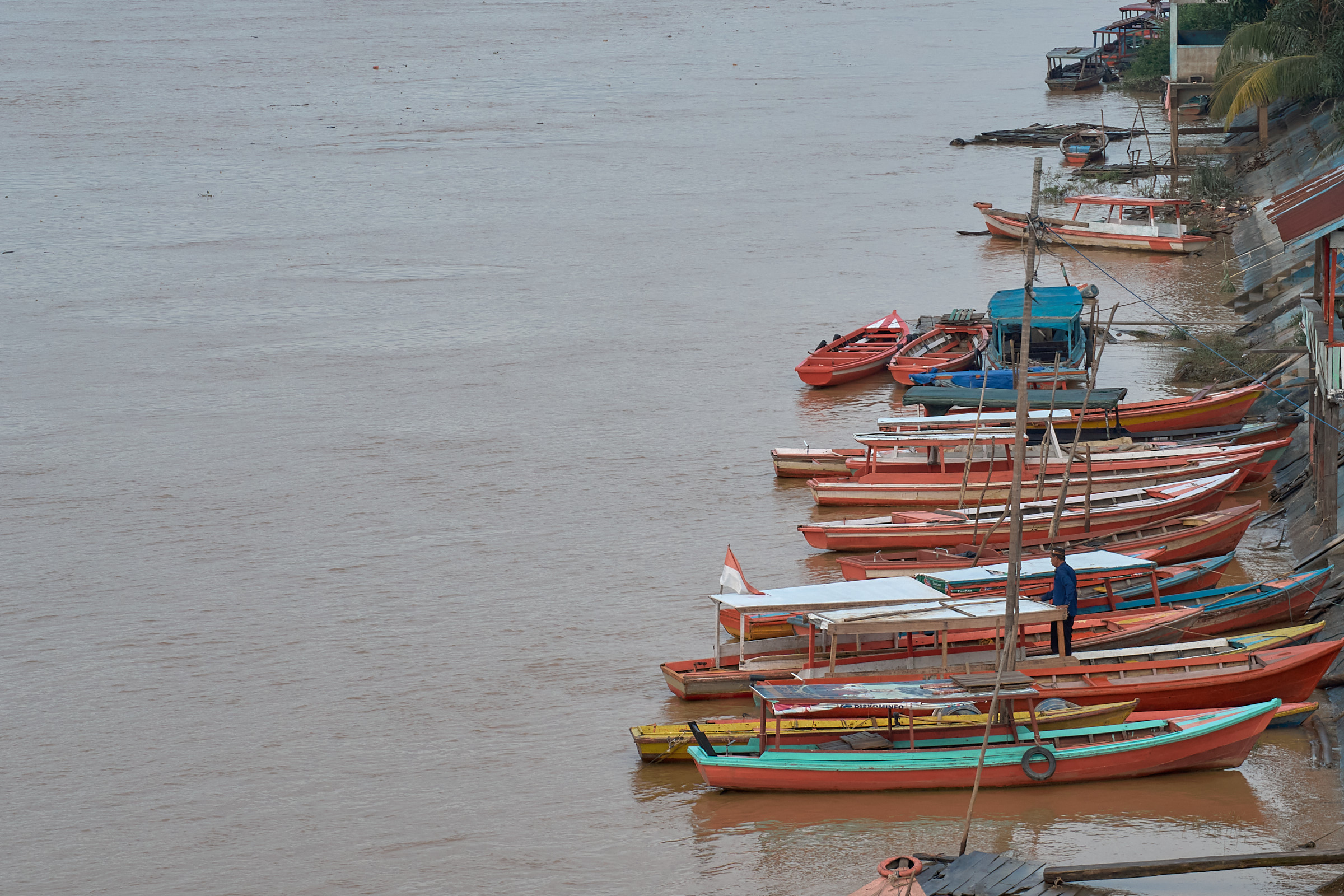
Every day, rows of wooden boats wait along the riverbanks as passengers come and go. River crossings continue almost without pause, following the rhythm of daily life from morning until late afternoon.
Amid urban development and the expansion of modern infrastructure, life along the Batanghari continues to flow. For residents living across the riverbanks, moving from one side to another is a daily routine shaped by the water.
River Transportation and Everyday Movement
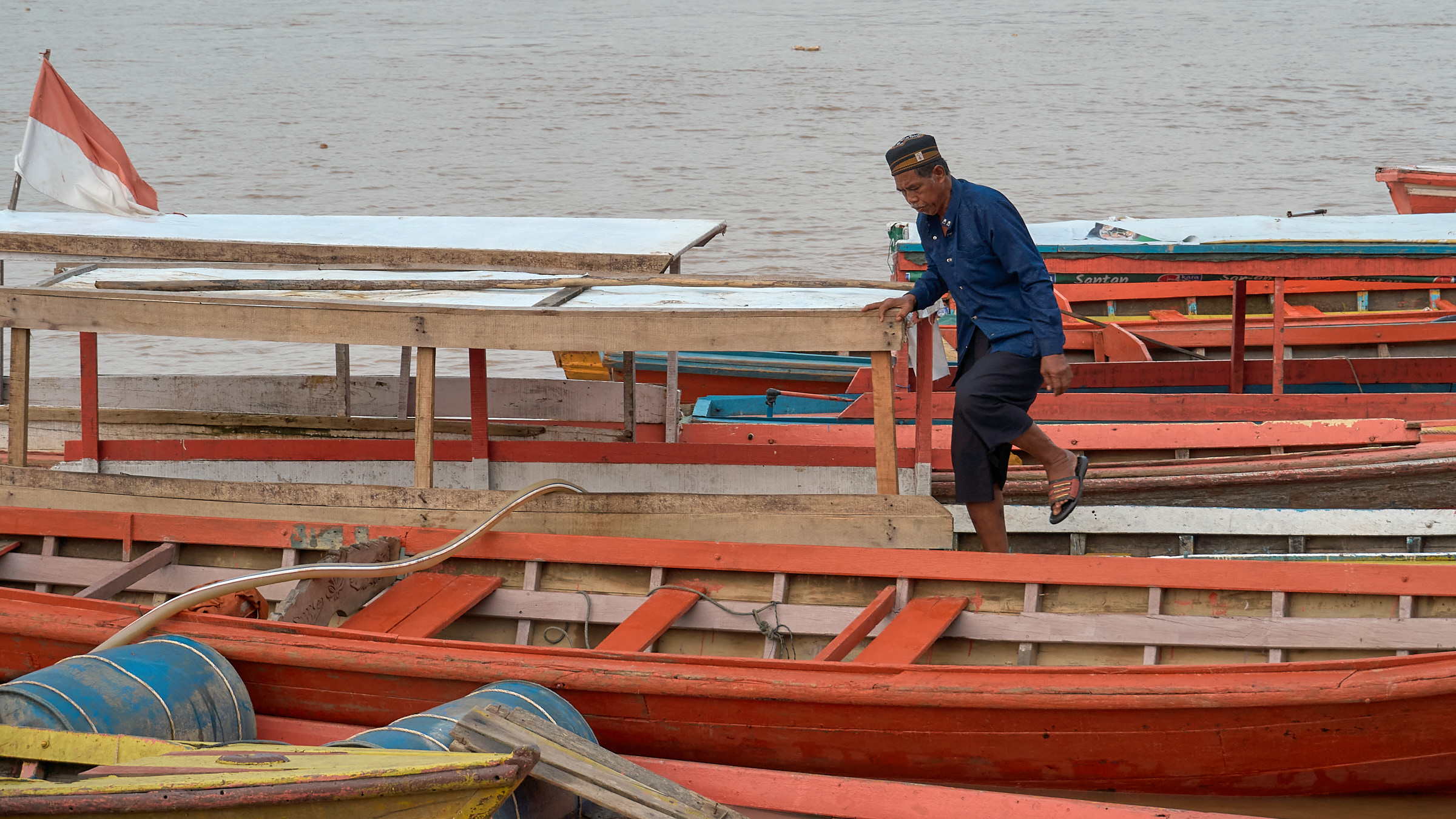
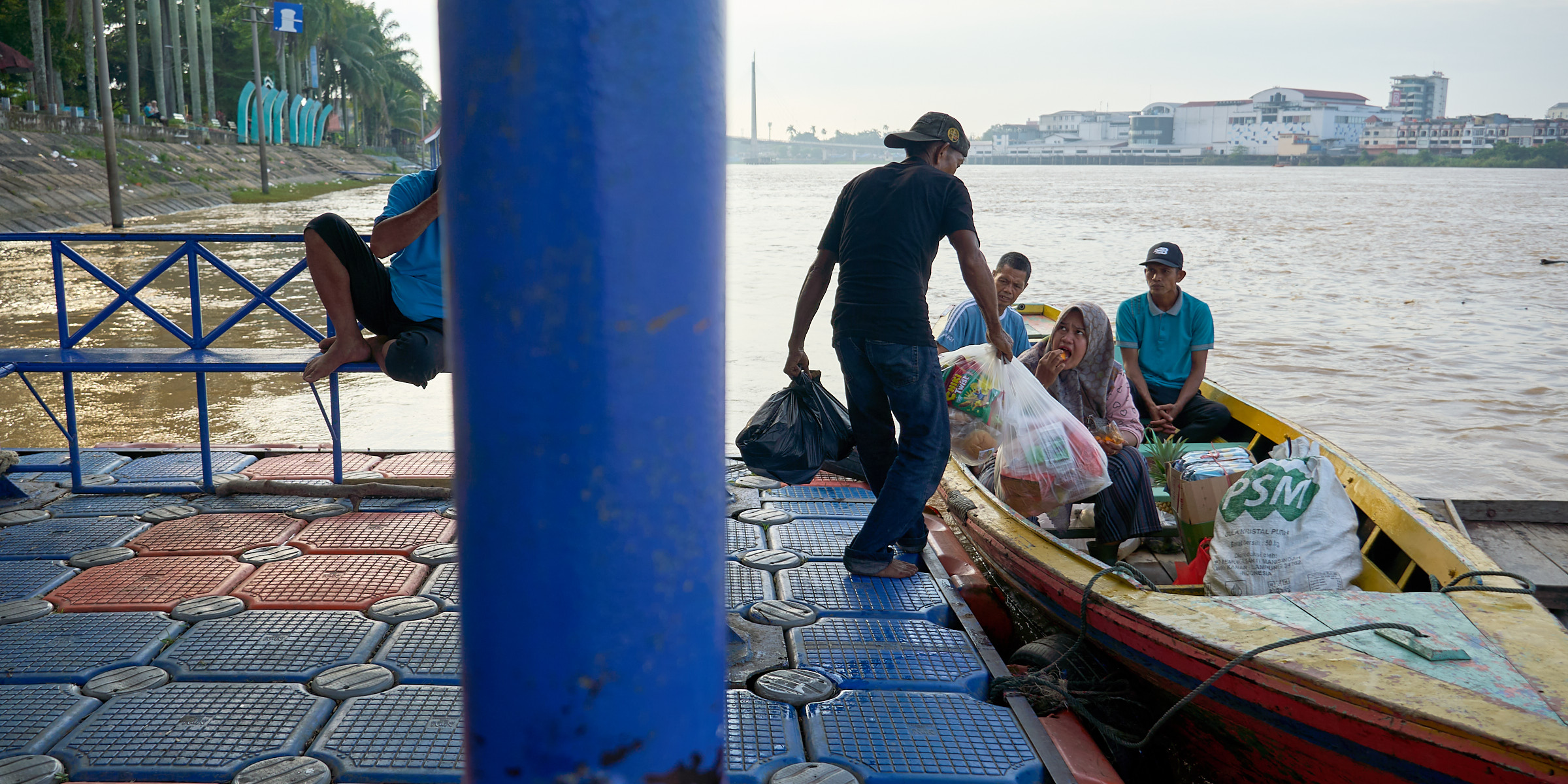
The Batanghari River functions not only as a natural landscape in Jambi City, but also as an active transportation route that continues to support everyday movement. From morning until evening, people and supplies travel across the water, reflecting the close relationship between riverside communities and the river itself.
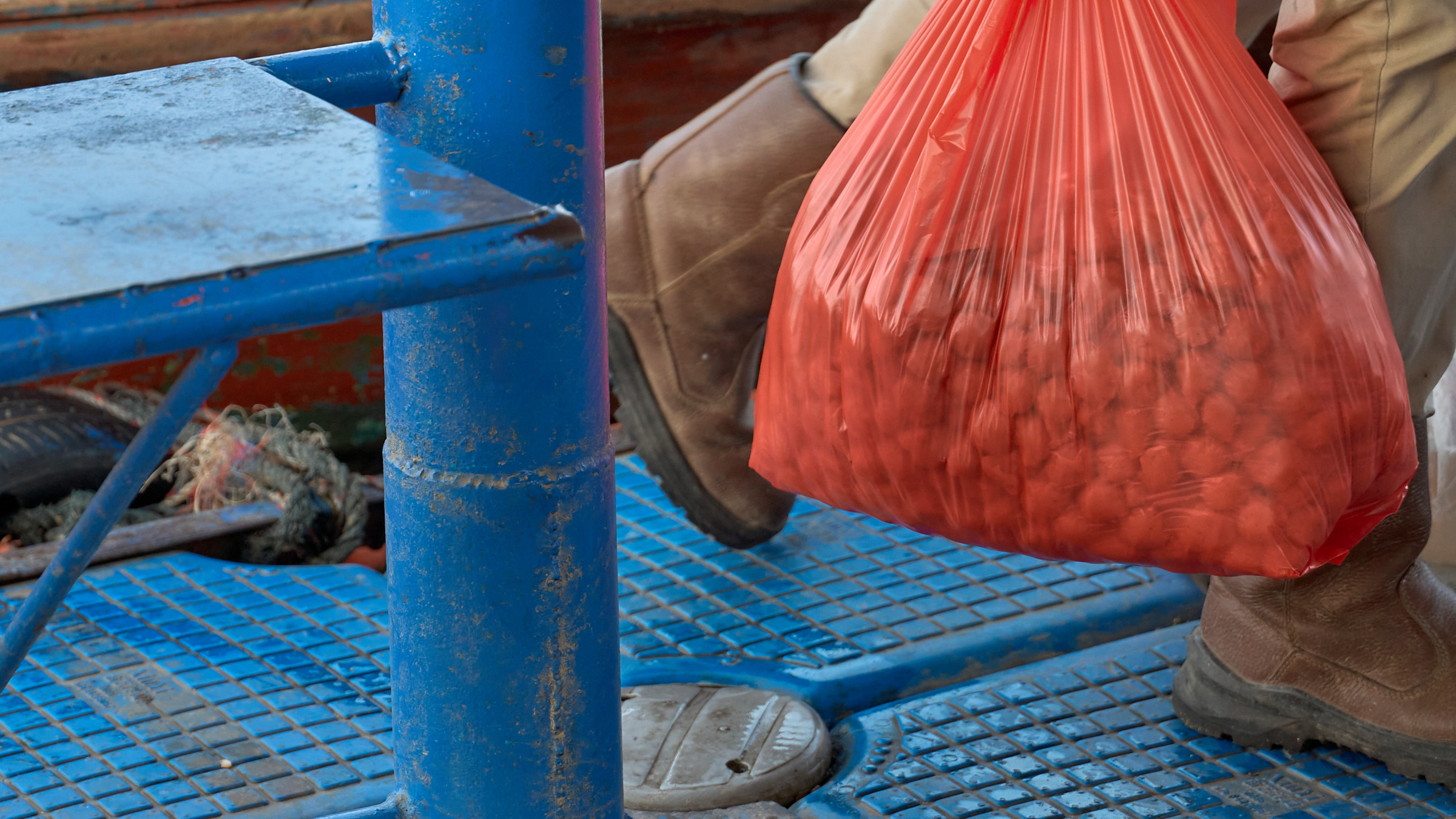
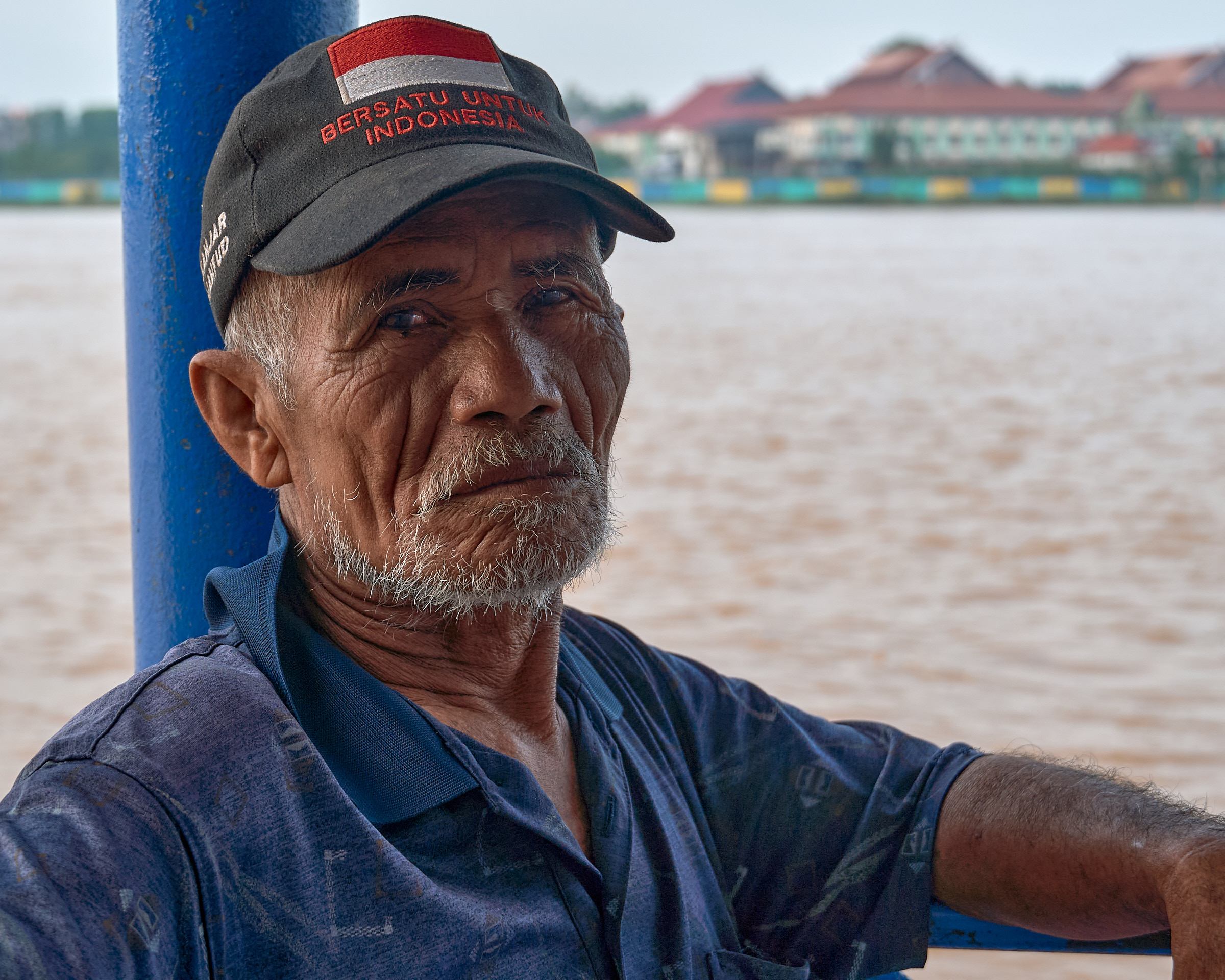
For boat operators and riverside residents, the Batanghari is more than a river flowing through the city. It provides access, livelihood, and continuity for communities that have lived alongside the water for decades.
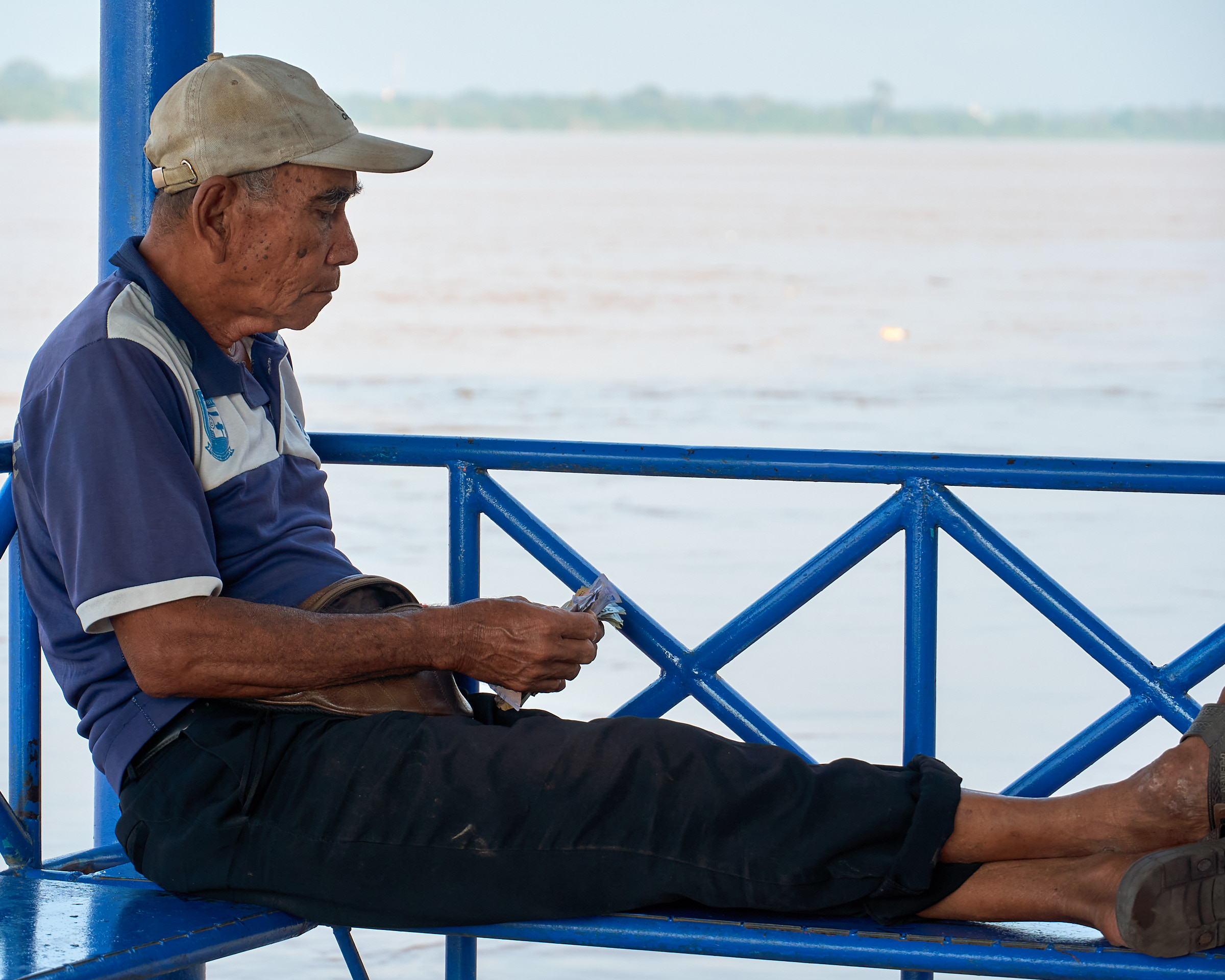
Between trips, some spend quiet moments counting the earnings collected throughout the day — small amounts of income that quietly sustain family life along the riverbanks.
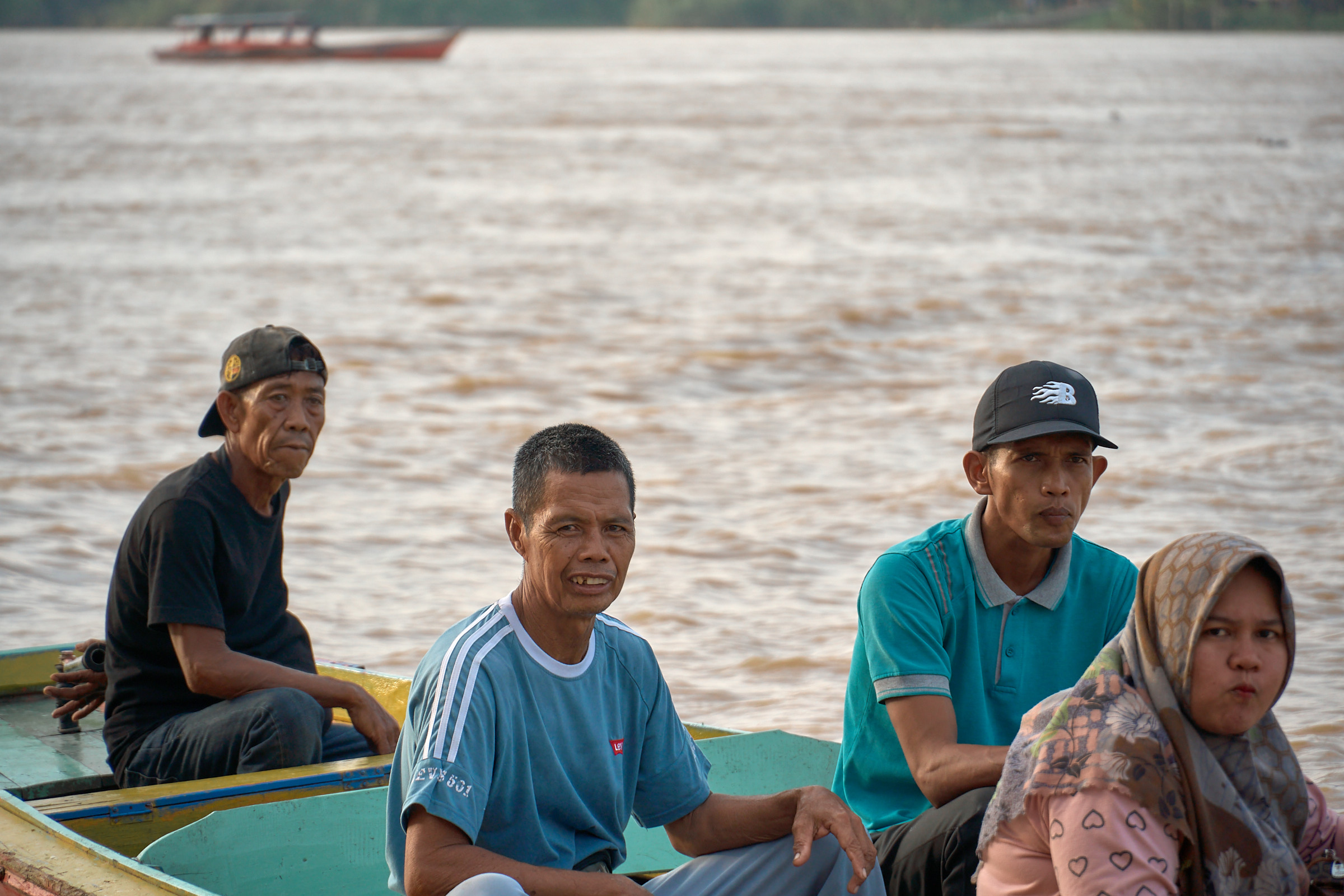
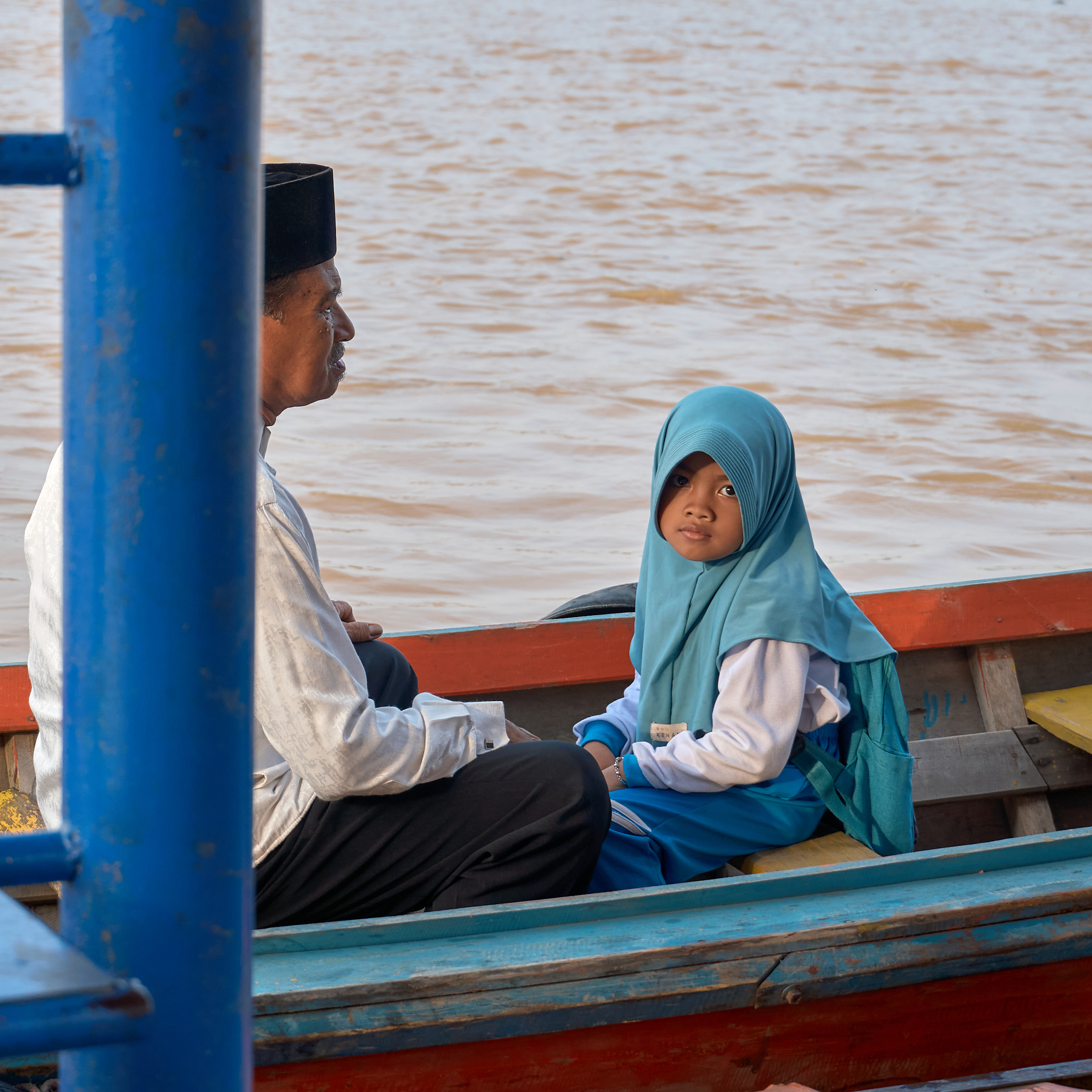
Onboard the small wooden boats moving across the river, conversations and interactions continue naturally. The river becomes a shared social space where people meet, exchange stories, and carry on routines passed down through generations.
Growing Up Along the Batanghari River
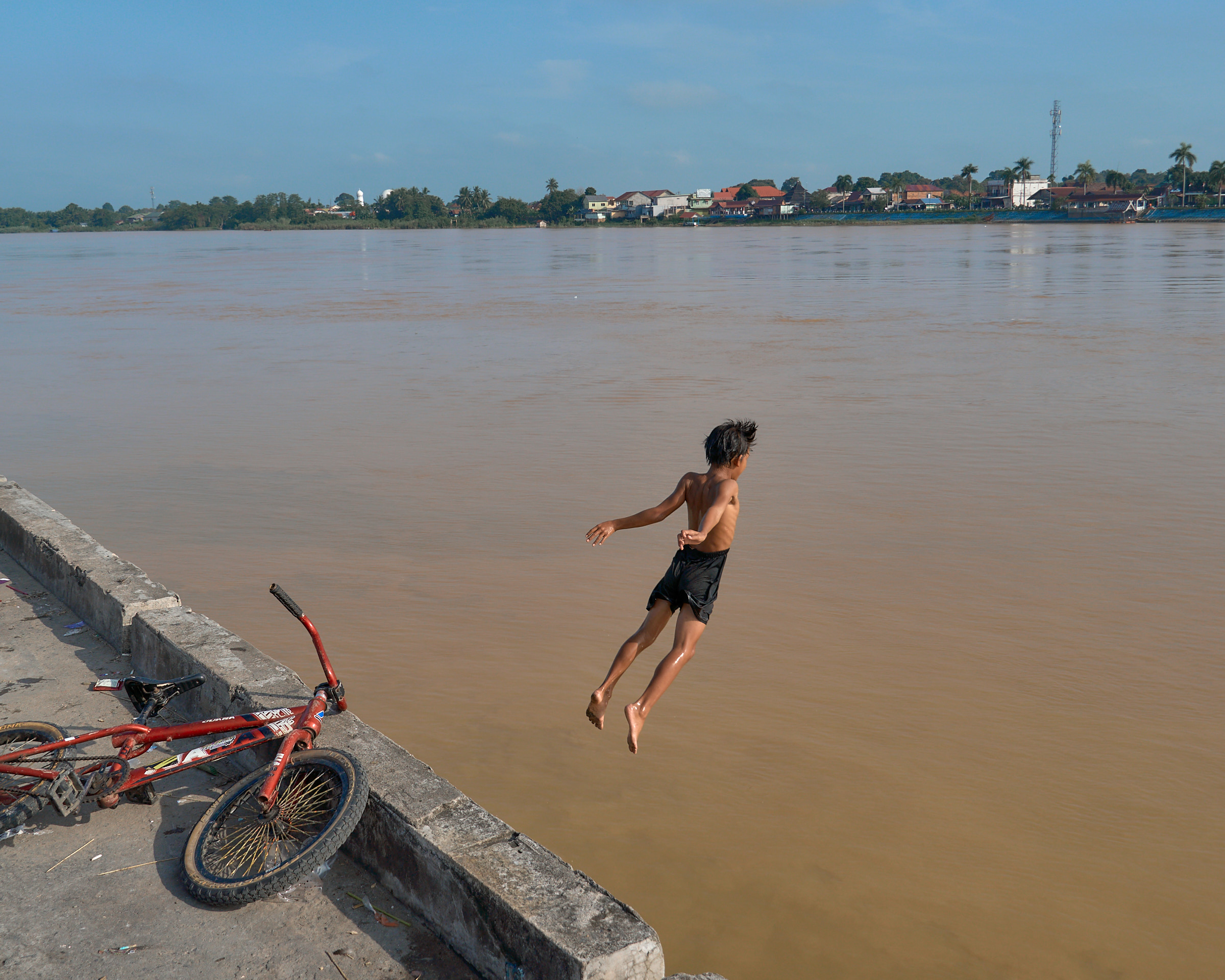
As Jambi City continues to develop, traditional river crossings still survive. For many local residents, living along the Batanghari River remains an essential way of life—shaping their work, daily movement, and social connection every single day.
This photo essay documents riverside communities, traditional river transportation, and the continuing relationship between local residents and the Batanghari River in Jambi City, Indonesia.